Best Allowance Cards for Kids to Build Responsibility and Money Skills
Parents often seek simple tools to teach money management, responsibility, and positive routines. The following collection focuses on kids’ allowance cards, chore charts, and empowerment prompts designed to encourage consistent habits, reward completion, and healthy financial literacy. Each option offers a structured way to monitor tasks, track progress, and reinforce useful life skills in a kid-friendly format.
| Product | Brand | Focus |
|---|---|---|
| Chore/Reward Chart for Kids, Large 66 Chore Chart (Blue) | Dolphin N Otter | Tasks, rewards, daily motivation |
| Chore/Reward Chart for Kids, Large 66 Chore Chart (Black) | Dolphin N Otter | Tasks, rewards, daily motivation |
| QUOKKA 95 Reward Chore Chart Cards | QUOKKA | Magnetic, visual schedule |
| BayWel Mindfulness Conversation Cards for Kids | BayWel | Emotional awareness, affirmations |
| Empowering Cards for Kids – Mindfulness & Affirmations | Allura & Arcia | Self-esteem, mindfulness, coping |
The selections below provide a balanced mix of tangible chore-management tools, visual schedules, and conversations that support both practical money handling and emotional development. Each product is designed to be engaging for children while giving caregivers clear methods to track progress and foster independence.
Chore/Reward Chart for Kids, 30”x20” Large 66 Chore Chart (Blue)

Brand: Dolphin N Otter
The large daily chart helps kids take ownership of routines with 16 pockets and 50 printed chore cards plus blank options. A dry erase marker and wall mounts are included to create a visible accountability wall. The design emphasizes a see-through rewards system to boost motivation, making it a practical tool for establishing consistent chores and earning outcomes.
Chore/Reward Chart for Kids, 30”x20” Large 66 Chore Chart (Black)
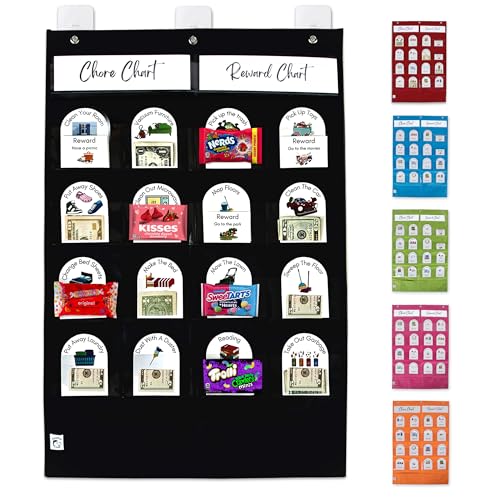
Brand: Dolphin N Otter
This version mirrors the blue chart with a bold black aesthetic. It includes 16 large pockets, 50 printed chore cards, blank substitutions, and a dry erase marker. The see-through rewards approach remains a key feature, helping children connect tasks with tangible rewards and daily routines.
QUOKKA 95 Reward Chore Chart Cards

Brand: QUOKKA
Magnetic, laminated daily chore cards cover topics from daily tasks to health and hobbies. The kit includes 80 thematic cards plus personalized task cards and extra functional cards. A visual schedule format helps as a versatile, reusable system for establishing routines and responsibility while supporting children who benefit from clear, color-coded prompts.
BayWel Mindfulness Conversation Cards for Kids
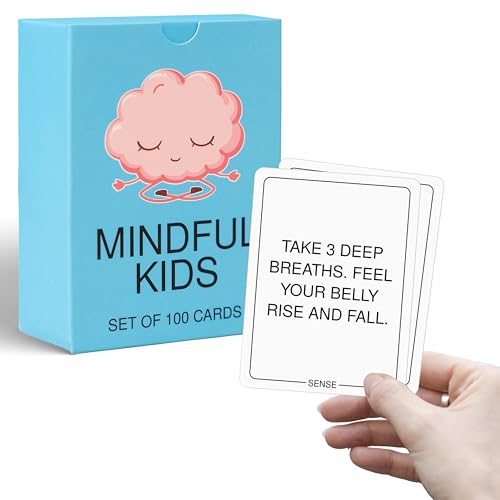
Brand: BayWel
Contains 100 cards (including prompts and instruction) designed to spark meaningful discussions about feelings, gratitude, imagination, and focus. The set supports emotional well-being, self-awareness, and resilience through positive conversations, suitable for family meals, therapy sessions, or classroom activities.
Empowering Cards for Kids – Mindfulness, Affirmations, Self Esteem
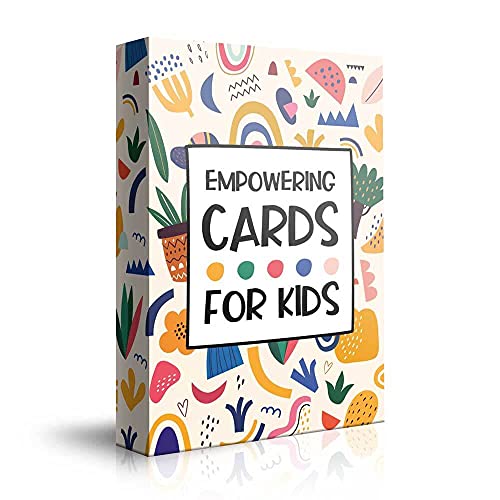
Brand: Allura & Arcia
Fifty cards across five categories—Self Esteem, Self Compassion, Relaxation, Encouragement, and Mindfulness—offer exercises and activities for daily use. The box is designed to appeal to kids, with a focus on empowering messages, coping strategies, and mindfulness practices to support emotional regulation and confidence.
Buying Guide
- Age and developmental fit: Choose a system aligned with your child’s age, attention span, and reading level. Magnetic cards and large-format charts suit younger children; smaller card sets work for older kids who read independently.
- Structure vs flexibility: Chore charts provide concrete routines and rewards, while mindfulness and conversation cards emphasize emotional literacy. Consider blending both to cover practical and emotional learning.
- Visual design and durability: Bright colors, large fonts, and laminated cards improve visibility and longevity. Durable materials reduce replacement needs for busy households.
- Reward strategy: Decide whether rewards are immediate or cumulative, and ensure rewards are achievable and meaningful to your child to maintain motivation.
- Customization options: Systems with blank cards or boards allow you to tailor tasks and prompts to your child’s unique goals and interests.
- Family integration: Tools that support family routines, mealtime conversations, or therapy-style activities can strengthen daily practice and consistency.
- Storage and space: Large charts require wall space or dedicated ares; consider slide-in folders or compact options for smaller rooms.
- Cost and maintenance: Compare initial setup costs and potential ongoing purchases (extra cards, refill packs) to keep the program sustainable.
- Measurement of progress: Look for clear indicators of success, such as completed tasks, streaks, or improved communication, to assess impact over time.