Best Emergency Kit for Purse: Compact, Portable First Aid Essentials for on-the-Go Care
Carrying a compact emergency kit in your purse can provide quick relief for minor injuries and everyday mishaps. This guide highlights five compact, well-equipped kits that blend portability with practical contents. Each option fits in a small bag or glove compartment, offering essentials without bulk. Read on to compare contents, portability, and convenience, so you can choose a purse-friendly kit that travels as you do.
| Product | Brand | Pieces | Notes |
|---|---|---|---|
| BAND-AID Brand Travel Ready Portable Emergency First Aid Kit | Band-Aid | 80 | Organized case, ideal for car or luggage storage |
| Benelinemed Mini First Aid Kit | Benelinemed | 137 | Compact with carabiner for easy clipping |
| General Medi Mini First Aid Kit | General Medi | 110 | Lightweight, travel-friendly |
| Kitgo Mini First Aid Emergency Kit | Kitgo | 27 | Very compact purse-friendly design |
| DMI 76-Piece First-Aid Kit | DMI | 76 | Durable case, travel-ready |
Across these options, you’ll find a balance between size and usefulness: larger kits offer more items, while smaller ones emphasize portability and easy access during busy days. The following sections review each pick, focusing on what makes them suitable for everyday carry in a purse or small bag.
BAND-AID Brand Travel Ready First Aid Kit

The Band-Aid Travel Ready kit comes in an easy-to-carry, organized case with 80 essential first aid items. Its compact design makes it ideal for stowing in a car, purse, or luggage, ensuring preparedness for minor wounds and everyday emergencies. The kit emphasizes portability and quick access, helping you address common needs such as bandages, antiseptic wipes, and basic wound care without bulk. This option suits travelers and commuters who want reliable coverage without weighing down their bag.
Mini First Aid Kit – 150 Piece Small Waterproof Case

The Vriexsd 150-piece kit prioritizes organization with a small, waterproof hard shell. It weighs little and fits easily into a purse or tote. Contents include a wide range of medical and safety supplies, such as bandages, gloves, antiseptics, tweezers, tourniquet, and more. Its smart area classification design helps you locate items quickly during emergencies, making it a practical choice for daily commutes, travel, and outdoor activities where immediate care matters.
General Medi Mini First Aid Kit

The General Medi kit emphasizes security and reliability with 110 pieces in a compact package. It’s designed to meet a broad range of needs beyond basic wounds, including hospital-grade contents referenced in its detailed list. Weighing just a fraction of a pound, this kit focuses on portability for cars, schools, offices, and small travel kits. Your purse will contain more than bandages—it can include healing essentials that cover everyday incidents and minor injuries with efficiency.
Kitgo Mini First Aid Emergency Kit

The Kitgo purse-friendly kit is compact and designed for everyday emergencies with 27 basic items. Its miniature size makes it easy to slip into a handbag or pocket, while still offering essential items like bandages, safety pins, and small tools. The emphasis on portability and fashion-conscious presentation makes this kit a practical choice for those who want a discreet, stylish option that’s still functional in daily life.
DMI 76-Piece First-Aid Kit
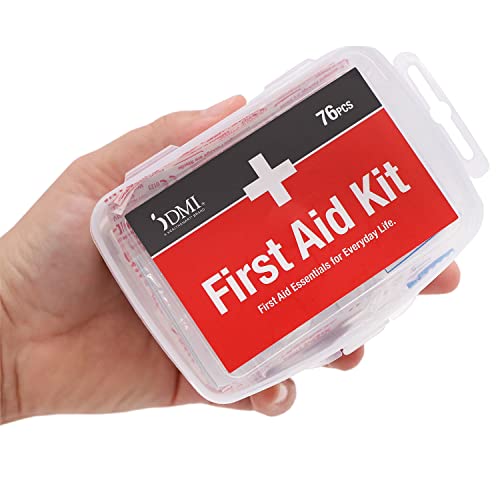
The DMI kit offers a compact 76-piece set with a durable, water-resistant case. It’s designed for travel and everyday use, making it easy to carry in purses, backpacks, or glove compartments. The assortment includes adhesive bandages, gauze, antiseptics, and basic wound care supplies, providing dependable coverage for minor incidents while staying relatively lightweight for everyday carry.
Buying Guide: purse-friendly first aid kit considerations
- Size and portability: Purse kits benefit from compact dimensions that fit in a small bag without adding bulk. Look for hard-shell or soft-case designs with organized compartments for quick access.
- Contents versus density: Decide whether you want a basic set for everyday minor injuries or a larger assortment for broader coverage. More pieces mean more weight; balance needs with portability.
- Organization: Clear sleeves, labeled pockets, and color-coding help you locate items quickly, crucial during a rush or in dim lighting.
- Durability and protection: Water resistance or hard shells protect contents from moisture and damage, extending shelf life and usability in travel or outdoor settings.
- Weight: Lighter kits are easier to carry day-to-day; heavier kits may be justified for travelers or families with higher risk of minor injuries.
- Regulatory considerations: Some kits contain items that require careful handling or expiration tracking. Choose kits with clearly listed contents and check for expiration dates periodically.
- Specific use cases: If you travel often by car, look for kits designed for vehicle use. If you carry small children’s items, opt for child-friendly contents and safer cutoff sizes.
- Cost and value: Compare per-item value and overall package content. A higher upfront cost can be justified by higher-quality contents and better organization.
When selecting a purse emergency kit, consider how often you’ll use it, where you’ll store it, and who will rely on it. A well-chosen kit can streamline first-aid responses, minimize delays, and provide reassurance during everyday adventures. Always confirm item counts, verify that contents are within expiration ranges, and replace used or expired components promptly to maintain readiness.