Best Planner for Autistic Adults: Focused Daily Organization
Finding an effective planner that supports neurodivergent thinking, including autistic adults, can improve focus, reduce overwhelm, and boost consistency. This article highlights five thoughtfully designed planners that address structure, routine, and task management. Each option offers unique prompts, layouts, and habit-building features to help you stay on track without sacrificing flexibility.
| Product | ||
|---|---|---|
| ADHD Daily Planner for Neurodivergent Adults – Rainbow | Templatables | Guided prompts, most important tasks first, brain dump space |
| Adhd Cleaning Planner for Adults and Teens | FASBET | Clear layout, progress tracker, weekly/monthly planning |
| The Anti-Planner | The Anti-Boring Project | 165+ strategies, comics and creative tools |
| ADHD Cleaning Planner for Adults | Generic | Undated daily/weekly/monthly, micro-task breaks |
| ADHD Daily Planner Notepad for Neurodivergent Adults | Templatables | Rainbow notes, task checklist, rewards |
Across these options, readers can compare layout styles, prompts, and motivation mechanisms to fit personal workflows—whether focusing on daily tasks, cleaning routines, or longer-term planning. The following sections provide concise product insights, emphasizing objective features and potential use cases.
ADHD Daily Planner for Neurodivergent Adults

Designed to help those with ADHD stay organized and focused, this planner emphasizes prioritization and task segmentation. The guided prompts encourage users to list the most important tasks first, followed by a brain-dump of less urgent thoughts. This structure can reduce cognitive load by clearly separating high-priority work from background ideas, making it easier to start and complete tasks. The rainbow theme adds a visually engaging element that can improve motivation without sacrificing clarity. Suitable for adults who prefer a simple, goal-oriented framework that still accommodates flexible thinking.
Adhd Cleaning Planner for Adults and Teens

This planner focuses on cleaning and organizing with clear visuals and progress tracking. A comprehensive weekly, monthly, and yearly cleaning checklist structure supports steady habit formation for home management. The design aims to make cleaning feel manageable rather than overwhelming by providing a predictable rhythm, encouraging consistency, and celebrating steady progress. It’s well-suited for individuals seeking a visually engaging planner that couples routine with motivational prompts and a sense of accomplishment.
The Anti-Planner

The Anti-Planner offers an unconventional approach designed to beat procrastination and burnout. With over 165 strategies and activities, it transforms mundane tasks into engaging challenges. The product blends comics, coloring pages, and intuitive layouts to replace rigid planning with creative, ADHD-friendly tasks. This option is relevant for adults who respond well to varied formats and playful prompts that still deliver practical productivity gains. It positions planning as a flexible toolkit rather than a rigid schedule.
ADHD Cleaning Planner for Adults – Undated
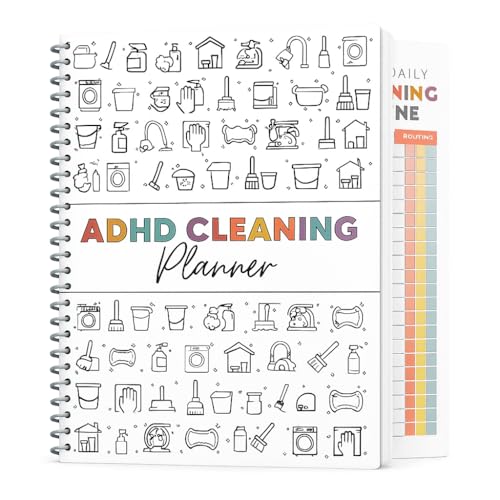
This undated planner focuses on flexible scheduling with daily, weekly, and monthly views plus yearly deep-clean checklists. It emphasizes breaking tasks into micro-steps to avoid overwhelm and burnout, while maintaining a simple, neurodivergent-friendly structure. The emphasis on undated pages allows for continuous use without pressure to start at a specific date, which can be beneficial for individuals who need a slow, steady ramp-up. It can serve as a practical core tool for home management and task batching.
ADHD Daily Planner Notepad for Neurodivergent Adults

This desk pad notepad centers on daily productivity with rainbow-oriented sections and a task checklist. It includes reward-oriented prompts to reinforce task completion and reduce distractibility. The notepad format can be advantageous for those who prefer short, concrete planning periods and immediate feedback. Its structure supports quick planning sessions, ideal for desk-based workflows or as a supplement to a broader planning system.
Buying Guide: Key Purchase Considerations
- Layout suitability: Choose whether you prefer daily task prioritization, weekly checklists, or a more flexible, creative format. Neurodivergent-friendly layouts often emphasize minimalism, clear sections, and visible progression indicators.
- Prompts and motivation: Some planners include guided prompts and reward systems to sustain momentum. Consider whether cognitive prompts align with your reinforcement style (positive reinforcement, micro-goals, or brain dumps).
- Customization vs. structure: Undated planners offer flexibility, while structured planners provide reliable routines. Balance the need for consistency with the ability to adapt to changing days.
- Visual design: Color, typography, and visuals can affect engagement. Bright themes can motivate some users but may be distracting for others; pick a style that fits your focus needs.
- Task breakdown: Look for planners that support micro-steps or chunking of larger tasks. Breaking work into smaller steps reduces overwhelm and improves completion rates.
- Reinforcement features: Check for built-in checklists, progress trackers, and reward systems. Effective reinforcement can sustain long-term adherence to routines.
- Reusability and materials: Reusable or reusable-in-part planners can be beneficial for ongoing use. Consider durability and the ease of cleaning or updating pages.
- Context compatibility: If you rely on other routines (home cleaning, work tasks, self-care), select planners that can harmonize across domains rather than isolate tasks.
Multi-Perspective Considerations
- Clinical alignment: For some users, combining a planner with therapeutic or coaching strategies (e.g., executive function training) can augment outcomes without becoming overly prescriptive.
- Daily variability: Autistic or neurodivergent patterns vary; flexible undated formats may reduce pressure during days with higher cognitive load.
- Environment integration: Planners that attach to refrigerators or desks via magnets or folders can help integrate planning into daily surroundings, increasing visibility of tasks.
- Support materials: Some products include digital companions or printable pages. Evaluate whether a hybrid approach enhances consistency or adds complexity.
- Accessibility considerations: Large print, high-contrast visuals, and tactile elements can improve usability for users with sensory sensitivities or vision differences.