Best Prepaid Cards for Minors: Safe, Flexible Options for Youth Plans
Finding suitable prepaid card options for minors involves balancing accessibility, family controls, and easy funding. This guide highlights five prepaid or gift-card style choices that can help younger users stay connected or manage allowances without long-term contracts. Each option is described with core features and practical use cases for families and guardians. Read on to compare benefits and choose the right fit for responsible teen or student spending and communication needs.
| Product | Brand | Use Case |
|---|---|---|
| Tracfone $15 Unlimited Talk & Text, 1 GB of Data / 30 Days (Physical Card) | TracFone | Affordable monthly plan for basic talk/text with limited data |
| $200 Mastercard Gift Card (plus $6.95 Purchase Fee) | Mastercard | Flexible spending across many vendors; convenient gift option |
| Phone Card for International & Domestic Calls, Prepaid Calling Card for Any Phones & Payphones | $25 USD | Alo World | Global calling credits for family communication and travel |
| AT&T Prepaid Card $125 (Refill) | AT&T Prepaid | Top-up option for talk, text, and data on AT&T prepaid devices |
| AT&T Prepaid Card $65 | AT&T Prepaid | Smaller top-up for ongoing prepaid service |
Note: Availability and card terms vary by region. Always review usage restrictions, transfer options, and parental controls when presenting a prepaid solution to a minor.
Tracfone $15 Plan With 1 GB Data

The Tracfone option provides a straightforward prepaid service with 1 GB of data and unlimited talk and text for 30 days. It is hotspot capable and allows carryover of unused data with an active service, which can be useful for teens who occasionally need extra data for school or social apps. The plan is compatible with a wide range of Tracfone prepaid phones, including 5G devices from the current lineup. This makes it a practical entry point for families managing a minor’s first prepaid phone.
$200 Mastercard Gift Card

This Mastercard Gift Card offers flexible spending across U.S. merchants that accept Mastercard debit cards. The card is shipped ready to use and does not permit cash or ATM access, which can help guardians limit how a minor spends or saves. A one-time purchase fee applies at checkout. Use cases include emergency funds, allowance management, and controlled online or in-store spending with parental oversight. Funds do not expire, but the card is non-reloadable, so plan funding accordingly.
Phone Card for International & Domestic Calls

This prepaid calling card supports both international and domestic calls, offering flexibility for families with relatives abroad or frequent travel. The setup requires dialing an access number and a PIN before placing a call. While it provides value for calls, users should monitor call durations and country-specific rates. Important usage notes include avoiding calls from saved contacts after dialing, which could inadvertently trigger higher carrier rates. This option can be a low-cost way to stay connected across borders without tying a minor to a mobile data plan.
AT&T Prepaid Card 125 Min

This AT&T Prepaid Card offers a low-cost option for U.S. domestic calling without monthly fees. It emphasizes a straightforward rate with no hidden surcharges, making it easy for guardians and minors to manage. It is suitable for families seeking a simple calling bundle without ongoing commitments. Consider this as a supplementary or emergency option when a full data plan is unnecessary, or when a minor primarily uses voice calls for safety and coordination.
AT&T Prepaid Card $65
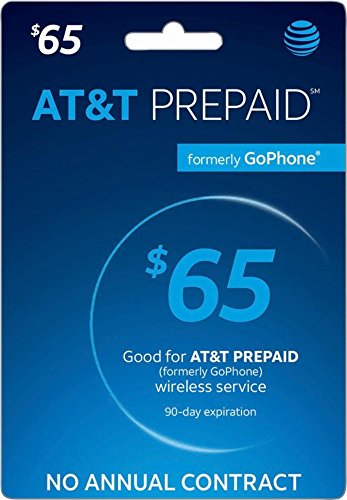
This AT&T Prepaid Card provides a mid-range top-up option compatible with most AT&T Prepaid devices. It can be redeemed for talk time, text messaging, and other prepaid services, offering a flexible way to maintain a minor’s line without a contract. For guardians, periodic top-ups can align with allowances or school schedules, ensuring reliable access to essential communication while keeping usage predictable.
Buying Guide: Key Purchase Considerations
- Age and safeguards: Look for cards or plans that offer parental controls, spending limits, or easy account monitoring to help manage a minor’s usage responsibly.
- Usage needs: Consider whether the primary need is calling, texting, data for apps, or international connectivity. Some options emphasize data or international reach more than others.
- Reloadability and funding: Non-reloadable cards reduce ongoing spending risk, while reloadable options offer ongoing control but require more oversight.
- Transferability and acceptance: Mastercard and AT&T prepaid options provide broad acceptance in the U.S., but always verify merchant compatibility and regional availability.
- Cost structure: Review activation fees, purchase fees, and any dormant or maintenance fees. Choose plans with transparent pricing that fit your budget.
- Device compatibility: If a minor uses a smartphone, ensure the card or plan works with the device’s network (e.g., AT&T, T-Mobile, or specific carriers in your area).
- Protection and refunds: Understand return policies, lost-card handling, and customer support accessibility for families who need prompt assistance.
- Practical use cases: Prepaid calling cards work well for travel or international communication, while gift cards offer flexible spending control for allowances or emergencies.