Best Presents for Autistic Children: Sensory Toys and Tools for Calm and Fun
Finding suitable gifts for autistic children involves considering sensory needs, engagement level, and ease of use. This guide highlights five carefully chosen products designed to comfort, entertain, and support development through safe, stimulating play. Each item focuses on tactile, visual, or auditory input to help children explore their senses in a supportive way. The selections cater to a range of ages and activities, from wearable glow toys to portable fidget sets and calming projections.
Overview of chosen products:
| Product | Brand | Key Benefit |
|---|---|---|
| Luwint LED Light Up Gloves for Kids | Luwint | Multi-color light, 6 modes, glow-in-the-dark |
| Musical Light Up Wand | LoveHugs | Colorful spinning lights + melody for soothing engagement |
| Dr.Kbder Sensory Toys for Autistic Children Set | Dr.Kbder | Variety of fidget toys for focus and calm |
| LearnToy Busy Board | LearnToy | Fine motor practice with portable, Montessori-inspired activities |
| Calming Sensory Lights Ocean Projector | diatomiteco | Soothing ocean visuals to aid sleep and relaxation |
Luwint LED Light Up Gloves for Kids
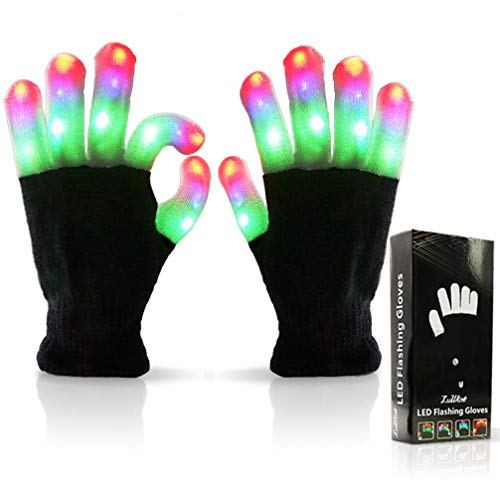
Luwint’s LED light up gloves combine soft knit comfort with bright, colorful LEDs that flash in multiple modes. Made from breathable material with a soft acrylic inner lining, the gloves are designed for long-wearing comfort during events, play at home, or night-time exploration. The six flashing modes, including three color options, provide a dynamic sensory experience that can attract attention in a gentle, celebratory way. This product is positioned as a versatile gift for many ages, from early elementary through pre-teteen years, and can support engagement during music and dance activities or quiet, dimly lit play sessions.
Features support diverse sensory needs: glow-in-the-dark visibility for night activities; easy on/off wrist switch; durable materials suitable for indoor and outdoor use. The design emphasizes safety and comfort while offering a visually stimulating experience that can captivate children who respond well to vibrant light cues. Parents and caregivers should supervise extended wear to ensure fit remains comfortable as hands grow. These gloves are best used for short, supervised sessions at first, then extended as familiarity grows.
Musical Light Up Wand

The LoveHugs Musical Light Up Wand engages children with a triple sensory approach: mesmerizing color-changing lights, a rotating motion, and a looping musical melody. The rotating light show fills a room with shifting colors, which can help maintain attention and provide a captivating focal point during calming routines or active play. The continuous music can soothe and entrain mood, offering an endearing coping tool during transitions or moments of overstimulation. The wand’s design is suitable for children who enjoy tactile exploration and enjoy musical cues during sensory play.
Careful use notes include ensuring batteries are secured and using the wand under supervision when younger children explore spinning features. The device is light enough for handheld use and portable enough to accompany travel or therapy sessions. With its combined visual and auditory feedback, it can be a staple in a sensory toolkit for sessions that require engaging stimuli paired with a predictable routine.
Dr.Kbder Sensory Toys Set

This fidget toy set from Dr.Kbder includes a mix of safe, durable items designed to support focus, repetitive motion, and stress relief. The assortment emphasizes non-toxic materials and international toy safety standards, providing reliable toy options for busy hands. For children who benefit from tactile exploration, these fidgets offer varied textures and resistance levels to help practice fine motor skills while diminishing anxiety through controlled, repetitive activity. The bundle also serves well as an in-car or desk-based calming toolkit for both kids and adults who seek quick sensory grounding.
Users should balance playtime to avoid overstimulation. The variety allows caregivers to rotate items and tailor choices to the child’s responses, gradually introducing more challenging textures or shapes as comfort increases. Because the set emphasizes portability and a broad appeal, it can be used in classrooms, therapy rooms, or at home across multiple daily routines, from transitions to quiet reading breaks.
LearnToy Busy Board
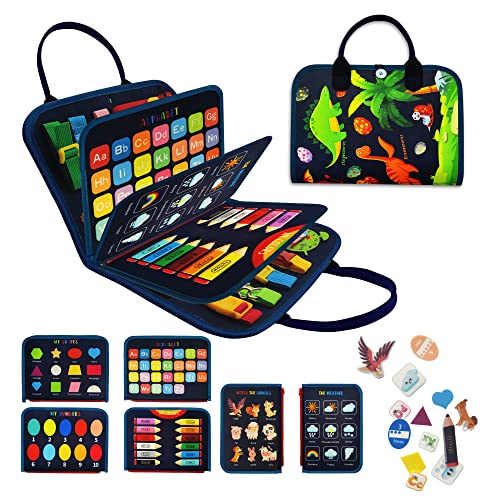
The LearnToy Busy Board offers Montessori-inspired, age-appropriate activities designed to build concentration and fine motor skills. Its portable, handbag-friendly design makes it a practical travel companion for car trips or airplane rides, turning quiet time into productive play. The board features a flexible zipper and a variety of tactile tasks, encouraging kids to practice collaboration and communication as they explore different pages and components. Suitable for toddlers through early elementary, it can adapt to a child’s growing skills while delivering a sense of autonomy through hands-on exploration.
Highlights include durable construction, visually engaging elements, and a layout that supports incremental skill development. Parents can customize sessions by pacing the activities and introducing new challenges as the child progresses. The Busy Board aligns with Montessori principles by promoting self-directed activity, while also providing opportunities for guided interaction with caregivers during play sessions.
Calming Sensory Lights Ocean Projector

The Calming Sensory Lights Ocean Projector creates a tranquil environment through a projection of ocean waves and water ripple patterns across walls and ceilings. This USB-powered device is designed to help autistic children establish a calming bedtime routine, support focus during tasks like reading, and contribute to a more predictable sleep schedule. The soft, ambient visuals provide a consistent sensory input that can soothe overstimulation and offer a dependable cue for winding down. The projector is suited for bedrooms, therapy spaces, or quiet corners used for relaxation and sensory breaks.
Key considerations include the brightness level, projection range, and ease of use in low-light settings. While the ambiance can be highly soothing, it’s important to pair the projector with other calming strategies such as dim lighting, predictable routines, and parental guidance to ensure the child feels secure during use. This device supports a multisensory approach, combining gentle visuals with a stable, soothing routine that many children benefit from during evenings or after intense activities.
Buying Guide: Key Purchase Considerations
- Age and developmental fit: Choose toys aligned with the child’s current interests and motor abilities. For younger children, simple, high-contrast visuals and soft textures are ideal; for older kids, more complex activities can be introduced.
- Sensory modality balance: Include options across tactile, visual, and auditory channels to avoid overstimulation and to allow the child to opt in to the level of sensory input they’re comfortable with.
- Safety and materials: Prioritize non-toxic, durable materials with secure fastenings and small parts that are age-appropriate or recommended for supervision.
- Portability and setup: If the child travels often or participates in therapy sessions, select items that are lightweight, easy to transport, and simple to operate.
- Supervision and caregiver involvement: Many sensory tools benefit from guided use at first. Establish routines that help the child anticipate and feel secure during transitions.
- Adaptability: Look for products with multiple modes or activities so you can adjust the level of stimulation as the child’s needs evolve.
- Maintenance and cleaning: Choose items that are easy to clean and maintain, especially for shared or classroom environments.
In practice, combining wearable sensory gear (like light-up gloves) with portable fidget sets and calming projection tools can create a versatile toolkit. The goal is to offer predictable, comforting input while supporting the child’s development and enjoyment. Always tailor usage to the individual child, observe responses, and adjust the balance of stimulation accordingly.