Best Presents for Stroke Victims: Top Aids for Recovery and Daily Support
Finding practical, effective gifts for someone recovering from a stroke can be challenging. The right tools can support hand function, reduce frustration, and promote a sense of independence. Below are five carefully chosen items designed to aid hand therapy, grip strength, and daily activities. Each option offers features tailored to stroke rehabilitation, from finger rehabilitation gloves to robotic rehabilitation devices.
Summary of Selected Products
| Product | Brand | Typical Use |
|---|---|---|
| Stroke Finger Splint Brace Ability | JDVBDNK | Finger rehabilitation, anti-spasticity support |
| Hand Grip Strengthener Ball | QeeHeng | Grip training, stress relief, finger rehabilitation |
| Hand Therapy Grip Ball | Lerboai | Therapy for weak hands, post-surgery rehab |
| Stroke Hand Rehabilitation Robot Gloves | BLIUJQ | Robotic finger training, mirror mode rehab |
Stroke Finger Splint Brace Ability — Finger Rehabilitation Gloves
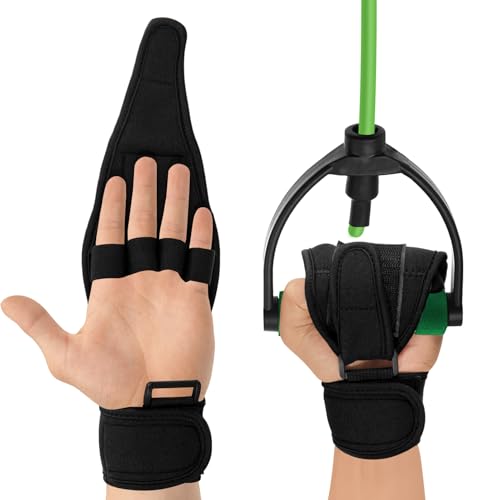
The Stroke Finger Splint Brace is designed to support finger rehabilitation with a comfortable fabric construction that protects the skin while providing long-lasting use. It helps stabilize weakened or injured fingers, enabling a more secure grip and improved hand function during daily tasks. The glove-style design is suited for users recovering from finger injuries or dealing with spasticity, offering peace of mind during activities such as lifting or pulling. A five-finger separation design minimizes slipping and supports anti-slip grip, aided by adjustable hook-and-loop fasteners for a secure fit. This product suits individuals needing controlled finger movement and additional hand stability without sacrificing comfort.
Hand Grip Strengthener Ball — Finger Exerciser

This hand grip strength trainer focuses on post-injury or post-surgery finger rehabilitation by building strength and flexibility. It supports increased repetitions to aid recovery and can be beneficial for activities like typing, playing instruments, or manual tasks. The design includes four separated fingers with an ergonomic oval shape to prevent finger contraction or deformation, reducing the risk of slippage during use. In addition to rehabilitation benefits, the device offers stress relief and anxiety reduction through rhythmic squeezing, making it a versatile tool for daily routines and relaxation.
Hand Therapy Grip Ball — Soft Squeeze for Rehabilitation
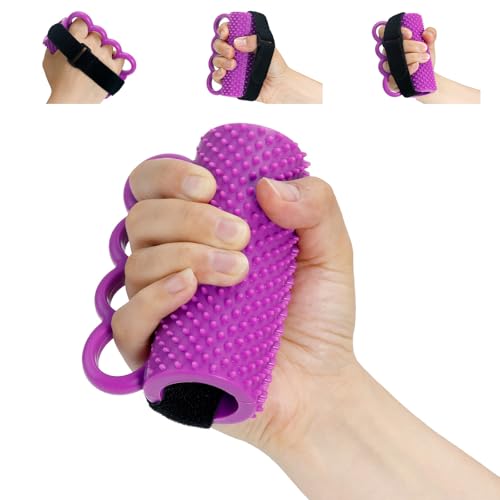
Designed for hand therapy and rehabilitation, this grip ball targets individuals with weak hands seeking to rebuild strength and restore mobility. It’s suitable for those recovering from stroke, arthritis, carpal tunnel, or post-surgery rehab. The soft squeeze promotes comfortable muscle engagement, improving circulation and reducing stiffness without overexertion. Regular use can help alleviate pain, prevent muscle atrophy, and support functional independence. The device also doubles as a stress-relief tool, offering a quick mental reset during work or study sessions by providing a tactile focus.
Stroke Hand Rehabilitation Robot Gloves — Robotic Rehab Device
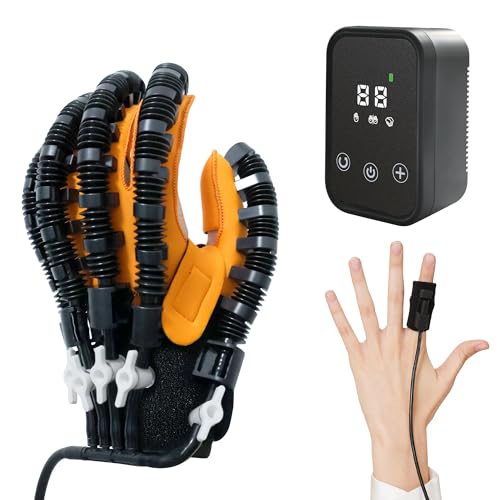
The BLIUJQ rehabilitation robot gloves offer an advanced approach to stroke recovery, using flexible polymers to fit comfortably while gently stretching finger joints. Powered by air pressure, these gloves drive hand activity and promote brain-injury recovery. A mirror mode allows the healthy hand’s movements to guide the affected hand, retraining the brain through repetitive motion. The device supports both single and multiple finger training with adjustable speed and intensity, enabling progressive therapy that can be tailored to the user’s stage of recovery and tolerance. This option is focused on stimulating neuroplasticity and reducing hand stiffness through repetitive, controlled practice.
Buying Guide: Key Purchase Considerations
Purpose and rehabilitation stage: Choose devices that align with the user’s current therapy goals—finger independence, grip strength, or motor re-education. For severe spasticity or very weak fingers, splints or robotic gloves with adjustable intensity can be more appropriate than simple grip balls.
Comfort and material safety: Look for soft, skin-friendly fabrics and breathable designs to prevent irritation during long wear. Ensure the product has secure fasteners and proper sizing options to avoid discomfort or slipping during use.
Adjustability and progression: Rehabilitation benefits from progressive challenges. Products with adjustable resistance, multiple speed settings, or different grip intensities allow for gradual advancement as strength improves.
Practical use and daily integration: Consider how easily the device fits into daily routines—whether it’s worn during therapy sessions, while watching TV, or during desk work. Simpler, stable designs are often more user-friendly for home use.
Therapy approach: Robotic or mirror-mode devices emphasize neuroplasticity and guided movement, while traditional grip balls and splints focus on muscle engagement and joint support. A combination of these can provide balanced therapy across motor functions.
Safety and maintenance: Check for cleaning instructions and durability. Devices should be easy to clean, especially those worn on the hand for extended periods. Inspect fasteners and seams regularly for wear or loosening.
Cost and accessibility: While more advanced robotic gloves offer robust therapy, traditional aids often provide essential benefits at a lower price point. Consider the user’s access to therapy programs and the likelihood of consistent usage when budgeting.
Compatibility with other therapies: Ensure the chosen tools complement ongoing occupational or physical therapy plans. Devices that support repetitive practice without conflicting with professional guidance are ideal.