Best Sensory Corner Tools for Autism: Calming Toys and Activities
Creating a sensory corner can help children regulate emotions, focus attention, and build calming routines. The following hand-picked products are designed to support autism-related sensory processing in classrooms, therapy spaces, and home environments. They emphasize tactile feedback, visual stimulation, safe materials, and quiet, low-distraction designs to support self-regulation and social-emotional learning.
The table below highlights five products chosen for their relevance to a sensory corner setup. Each item is described with its brand and a brief note on its primary sensory benefit.
| Product | Brand | Primary Benefit |
|---|---|---|
| Sensory Fidget Toys for Kids and Adults: Textured Suction Cup Toys for Autism | SMALL FISH | Tactile textures, suction play, calm-down support |
| Squishy Fidget Sensory Toys for Kids: Calming Tools for Autism | LESONG | Quiet, stress-relief squishy textures |
| JOYIN 4-Pack Fidget Tubes: Sensory Tubes for Calm Corner | JOYIN | Visual and tactile stimulation, social-emotional learning |
| Color Sorting Sensory Toys for Toddlers | KLT | Fine motor and sorting skills with sensory beads |
| Colors & Shapes Sensory Pad | hand2mind | Hands-on exploration, quiet time learning |
Sensory Fidget Toys for Kids and Adults: Textured Suction Cup Toys for Autism

- 8-pack suction fidget toys with varied textures for tactile exploration and repetitive behavior management.
- Sticks to smooth surfaces for on-desk or wall use; suitable for classrooms, therapy rooms, or travel corners.
- Made from high-quality TPR material; durable, washable, non-sticky, and mold-free.
- Helps children focus, calm down, and engage in sensory play through squeezing, rubbing, and pulling.
Squishy Fidget Sensory Toys for Kids: Calming Tools for Autism

- Patented design aimed at reducing stress and improving focus and concentration.
- Quiet fidget bags suitable for classroom use; minimize distractions while supporting self-regulation.
- Calming tools designed for children with autism, ADD/ADHD, or high anxiety levels.
- Compact, portable, and beginner-friendly for use in various settings, including calm-down corners.
JOYIN 4-Pack Fidget Tubes: Sensory Tubes

- Vibrant fidget tubes designed to boost social-emotional learning and visual-tactile engagement.
- Ideal for calming quiet time in homes, schools, or therapy spaces.
- Supports tactile feedback and fine motor skills while offering a soothing sensory experience.
- Non-disruptive in group settings and suitable as classroom calm-down tools or individual therapy aids.
2 PCS Color Sorting Sensory Toys for Toddlers

- Quiet calming design with color-sorted beads and tactile beads for sorting and matching.
- Supports fine motor development, color recognition, and early cognitive skills.
- Two grasping sizes to accommodate small hands; suitable for 1–2-year-olds and up.
- Useful in classroom quiet corners, therapy sessions, and home learning environments.
Colors & Shapes Sensory Pad
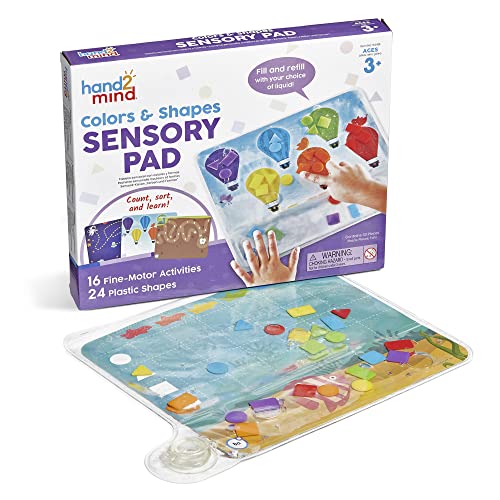
- Reusable sensory mat designed to develop early learning skills through color and shape exploration.
- Comes with shapes and colors to promote sorting, counting, and hand-eye coordination.
- Quiet-time activity suitable for calm-down corners, classrooms, and at-home therapy play.
- Supports preschool and early elementary learning with hands-on, tactile play.
Mindful Motions Sensory Cards

- 12 cards with dynamic patterns and two sliders to create visual illusions.
- Calm corner essential for mindfulness, self-regulation, and visual processing.
- Supports educational needs for ADHD and autism with structured visual tasks.
APLIST Emotion Sensory Toys for Toddlers

- 6 sensory blocks with facial expressions to help identify and discuss emotions.
- Supports social-emotional learning and nonverbal communication for children with autism.
- Engaging textures and bright colors to stimulate tactile exploration while fostering dialogue.
hand2mind Express Your Feelings Sensory Bottles

- 12 clear bottles representing primary emotions with expressive faces and interactive contents.
- Facilitates self-regulation, labeling feelings, and body-language associations.
- Shakes and observes to support mindfulness, regulation, and communication during calm-down activities.
Buying Guide: Key Purchase Considerations for a Sensory Corner
When assembling a sensory corner for autism, consider how each item supports regulation, engagement, and accessibility. Here are important factors and practical comparisons to guide selection:
- Sensory modality: Include a balance of tactile, visual, and auditory options. Some products emphasize quiet, tactile play (squishies, beads), while others provide visual stimulation (tubes, sliders) or soundless interactions suitable for classroom settings.
- Durability and safety: Look for non-toxic materials, sturdy construction, and easy cleaning. Materials like TPR and BPA-free plastics are common in this category, with washable designs preferred for shared spaces.
- Quiet operation: For classrooms and therapy spaces, prioritize items labeled as quiet or silent to minimize classroom disruption.
- Portability: Consider the space where the sensory corner will live. Compact, travel-friendly options can be helpful for school buses, clinics, or at-home setups.
- Adaptability: Choose items that suit a range of ages and abilities. Some toys have adjustable complexity or multiple modes (e.g., color sorting, emotion blocks) to grow with a child’s skills.
- Therapeutic alignment: If you’re coordinating with a therapist or educator, select tools that complement behavioral or sensory processing goals, such as self-regulation prompts, emotion labeling, or fine motor practice.
- Maintenance and hygiene: Prioritize toys that are easy to wipe down and sanitize, especially items used in shared environments like classrooms or clinics.
- Cost and budgeting: A well-rounded set may include a few high-impact items combined with several affordable options to cover multiple sensory channels without exceeding budget.
Different families and classrooms may benefit from different mixes. For a balanced setup, include both quiet, soft-texture tools and visually engaging items that provide predictable responses, such as calm-down bottles or tubes, along with tactile fidget options for hands-on regulation.